Jamaican Food Dishes Every Caribbean Cuisine Fan Should Try
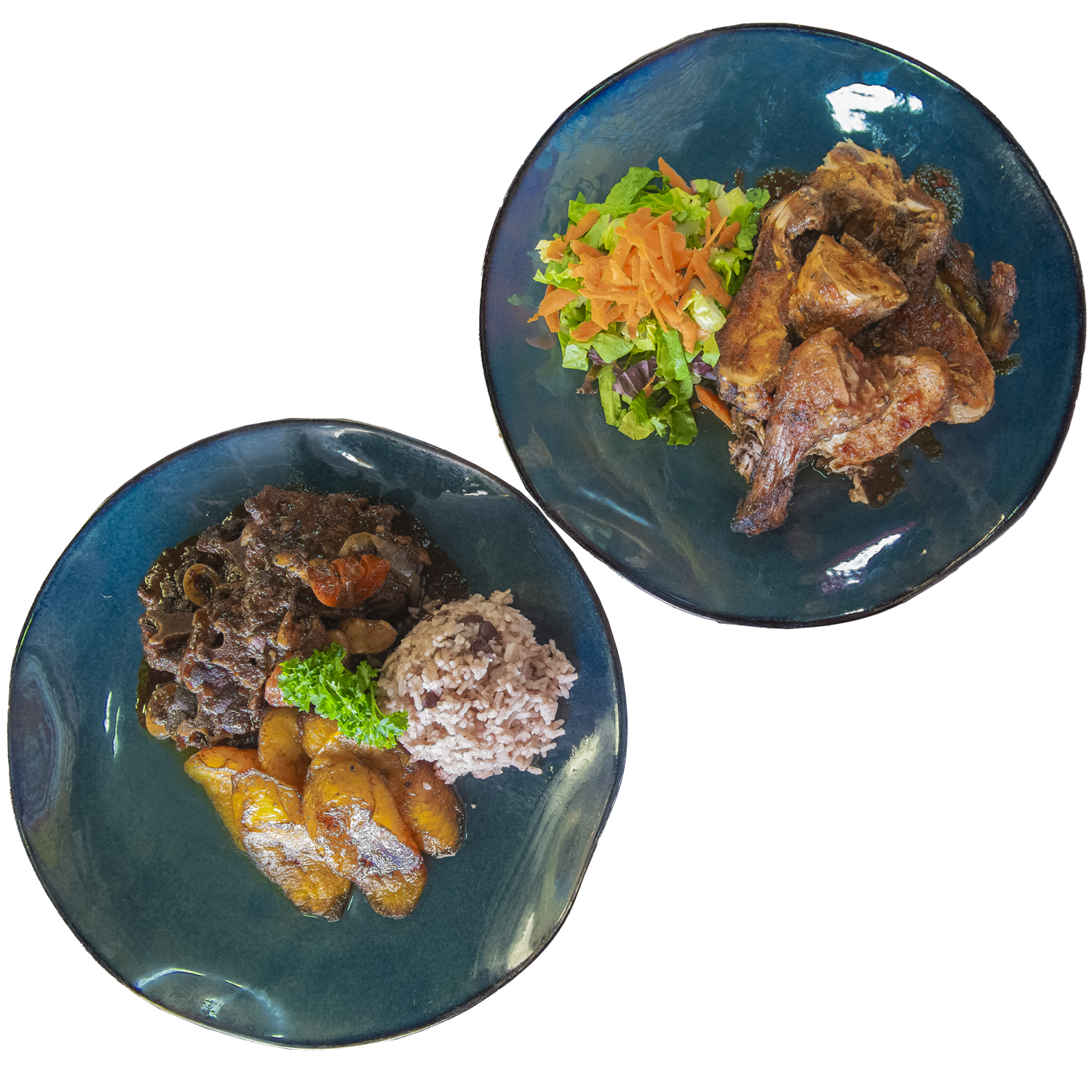
Jamaican food has a way of staying with you. Not just because the flavors are bold, though they certainly are, but because the cooking carries memory, migration, thrift, celebration, and ingenuity in almost every pot. A plate of jerk chicken or a bowl of curry goat is never only about heat or seasoning. It is also about technique, timing, smoke, texture, and the kind of practical wisdom that comes from feeding families and communities well.
Anyone who enjoys Caribbean cuisine eventually arrives at Jamaica’s table. The island’s food is one of the most recognizable in the region, but that familiarity can be misleading. Many people know a few headline dishes, often from restaurant menus built around jerk and patties, yet the full range of Jamaican food runs much deeper. There are breakfast staples with surprising delicacy, slow-cooked dishes with serious richness, seafood preparations that balance acidity and spice, and vegetable-based cooking that is far more nuanced than outsiders often expect.
What makes Jamaican cuisine especially compelling is its balance of force and restraint. Scotch bonnet peppers bring fire, but rarely without purpose. Allspice, thyme, scallion, ginger, garlic, pimento wood smoke, coconut milk, salted fish, and browned sugar each play distinct roles. The best cooks know when to push a dish forward and when to let one ingredient do the talking.
If you love Caribbean food and want to understand Jamaican cooking beyond the obvious, these are the dishes worth seeking out.
The flavor grammar of Jamaican cooking
Before getting into individual dishes, it helps to understand a few recurring patterns. Jamaican food often builds flavor in layers rather than all at once. Green seasoning, fresh thyme, scallion, garlic, onion, and ginger create the first layer. Scotch bonnet adds brightness and heat, though good cooks control it carefully. Browning, a sauce made from caramelized sugar, deepens stews and gravies. Coconut milk softens and rounds starches. Pimento, known elsewhere as allspice, gives warmth that reads almost sweet, woody, and peppery at the same time.
Then there is texture. This part matters more than many first-time diners realize. The ideal fried plantain should be soft in the center but still hold shape. A proper beef patty needs a flaky crust, not a soggy one. Ackee should be tender and buttery, not mashed into submission. Rice and peas should be separate and fragrant, never gluey. Jamaican food rewards cooks who respect doneness.
That is one reason the best versions of these dishes often come from places where they are cooked in volume and with confidence. A small neighborhood shop with steam pans, a roadside jerk stall, or a family-run restaurant with only six mains on the board often delivers more character than a broad menu trying to please everyone.
Jerk chicken, and jerk pork if you can find it
It is impossible to talk about Jamaican food without starting with jerk, but it deserves more precision than it usually gets. Jerk is not simply spicy grilled meat. It is a seasoning method and a style of cooking rooted most famously in Jamaica’s eastern parishes, especially Portland and Boston Bay. The defining notes are scotch bonnet, allspice, thyme, scallion, and smoke, traditionally from pimento wood.
Jerk chicken is the version most people encounter first. At its best, the skin is charred in spots, the meat is juicy, and the seasoning penetrates past the surface. The heat should be assertive but not blunt. A good jerk cook wants you to taste aromatic spice, smoke, and salt before the pepper catches up.
Jerk pork, when available, is often even better. Pork takes smoke beautifully, and the fat carries the seasoning in a way chicken cannot quite match. The exterior should be dark and almost sticky from caramelization, while the interior stays moist enough to pull apart in pieces. If a shop offers both, try both. The differences tell you a lot about the kitchen.
Side dishes matter here. Festival, a lightly sweet fried dough, cools the heat and adds contrast. Roasted breadfruit, bammy, or simple white bread can do the same job. In Jamaica, people often eat jerk in casual settings, standing up, wiping sauce from their fingers, and talking over the smoke. That informality is part of the appeal.
Ackee and saltfish, the national dish with remarkable balance
Ackee and saltfish is often the dish that surprises people most. On paper, it can sound strange. Ackee is a fruit, and saltfish is preserved cod. In the pan, though, they meet in a way that feels completely natural. The ackee softens into rich, buttery folds, almost like the gentlest scrambled eggs, while the saltfish brings salinity and structure. Onion, tomato, scallion, thyme, and pepper fill in the edges.
The quality of this dish depends on restraint. Overstir the ackee and it breaks apart into mush. Overseason the saltfish and the whole plate turns harsh. The best versions let the ingredients hold their shape and character. You get richness from the ackee, savory depth from the fish, and little flashes of sweetness from cooked onion and tomato.
It is commonly served for breakfast, often with fried dumplings, boiled green banana, yam, or breadfruit. That combination tells you a lot about Jamaican eating habits. Breakfast is not necessarily light. It is built to sustain a full day, and starches play a central role. For travelers more accustomed to toast and coffee, ackee and saltfish can feel substantial. It is, and that is the point.
One practical note is worth making. Ackee must be prepared properly. Unripe ackee is unsafe to eat, which is why this is a dish best left to experienced cooks or reputable kitchens if you are not familiar with handling it yourself. When done correctly, it is one of the most distinctive dishes in the Caribbean.
Curry goat, slow-cooked until the bone gives way
Curry goat is one of the benchmark dishes by which many people quietly judge a Jamaican restaurant. It looks straightforward, but there is nowhere to hide. Goat can become stringy if rushed, greasy if not balanced, or flat if the spice blend is weak. A strong version is deeply seasoned, tender without falling apart into fibers, and carried by a gravy that tastes of curry, garlic, onion, thyme, and slow reduction.
Jamaican curry differs from many Indian curries, though its roots clearly show the influence of Indian indentured laborers and the movement of spices across the British Empire. Jamaican curry powder often has a different emphasis, with turmeric forward but supported by allspice and local handling of aromatics. Potatoes frequently join the dish, absorbing flavor and thickening the gravy slightly.
The best curry goat is patient cooking. Time does the work. The meat should cling to the bone but release easily when pressed. The sauce should coat rice rather than flood it. Rice and peas is the classic pairing because it gives the curry a sturdy, fragrant base. You need that starch to capture the gravy.
This is one of those dishes where leftovers can be exceptional. The next day, the flavors settle and deepen, and the fat firms enough that a cook can trim excess richness if needed. That is often how home cooks get the balance exactly right.
Oxtail, rich, glossy, and deeply comforting
If curry goat is the test of a kitchen’s https://sethcmfw515.wpsuo.com/the-difference-between-traditional-and-modern-jamaican-food patience, oxtail is the test of its judgment. It is a rich cut, full of gelatin and marrow, and it asks for long braising. Done well, the meat becomes spoon-tender while the sauce turns silky and dark. Butter beans are a common addition, not as filler but as contrast. Their soft, creamy texture offsets the dense richness of the meat.
Jamaican oxtail usually carries notes of browning, thyme, scallion, onion, garlic, and often a little ketchup or similar sweet acidity to sharpen the gravy. Every cook has a different hand with it. Some go heavier on sweetness. Others want deeper savory character. The strongest versions avoid becoming cloying or overly salty, which can happen when the sauce reduces too far.
This is not a quick lunch if you want to get it right from scratch. Oxtail needs time to soften and to release enough collagen for the sauce to gain body naturally. Pressure cookers can shorten the process and many cooks use them skillfully, but even then the finishing stage matters. The pot has to settle into itself.
For newcomers to Jamaican food, oxtail is often an easy favorite because it feels familiar in structure, a braised meat with gravy and beans, while still tasting distinctively Jamaican. That makes it a useful bridge dish for diners who are not yet ready to start with ackee or strongly salted seafood.
Escovitch fish, where heat meets vinegar and crunch
Escovitch fish brings a sharper profile to the table. Traditionally made with fried whole fish, often snapper, it is topped or dressed with a vinegary mixture of onions, carrots, scotch bonnet, and sometimes bell peppers. The fish arrives crisp from the fryer, and the dressing cuts through the oil with acid and heat.
The success of escovitch depends on timing. If the fish sits too long under the pickled topping, the crust softens. If the topping lacks enough vinegar, it loses its refreshing edge. If the pepper overwhelms everything, the dish turns one-dimensional. The balance should wake up the palate, not punish it.
This is one of the clearest examples of how Jamaican cuisine handles contrast. Crunch against tenderness, acid against fried richness, chile against sweetness in the vegetables. It is especially satisfying in warm weather, and it pairs beautifully with bammy, a cassava flatbread that can soak up juices without getting heavy.
If you enjoy fried fish in other Caribbean traditions, escovitch is essential. It shows how Jamaica bends a straightforward preparation toward brightness and spice.
Jamaican patties, the portable classic that deserves respect
Too many people treat the Jamaican patty as a snack to eat absentmindedly in transit. It can be that, of course, but a good patty deserves closer attention. The pastry should be crisp and flaky, usually tinted yellow with turmeric or curry. The filling, whether beef, chicken, vegetable, lobster, or saltfish, should be seasoned enough to stand up to the crust without leaking grease.
The beef patty remains the standard. Good ones have a finely textured filling with enough moisture to feel lush, but not so much that the shell collapses. Scotch bonnet should be present in some degree, though heat levels vary widely. A cocobread sandwich, where the patty gets tucked into soft coconut bread, remains one of the great practical lunches in Caribbean food. It is filling, inexpensive, and satisfying in a very specific way.
Patties reveal a lot about Jamaican baking traditions, which do not always get as much attention as the island’s grilled and stewed dishes. Pastry handling matters. So does heat management in the oven. A patty that shatters delicately at first bite is usually a sign that someone in the kitchen knows what they are doing.
Rice and peas, not a side dish to overlook
Rice and peas is so common on Jamaican menus that outsiders sometimes treat it as background. That is a mistake. In many meals, it is the anchor. The “peas” are typically kidney beans or gungo peas, depending on the season and the cook. The rice cooks with coconut milk, thyme, scallion, garlic, and often a whole scotch bonnet, which perfumes the pot without necessarily making it fiery.
The result should be fragrant and cohesive without being heavy. Each grain should remain distinct. Mushy rice and peas is one of the quickest tells of sloppy execution. Properly cooked, it carries subtle sweetness from coconut and enough savory depth to stand beside assertive mains like curry goat or jerk chicken.
There is also a cultural rhythm to it. In many Jamaican households, rice and peas is especially associated with Sunday dinner, when the table is a little fuller and the pace is slower. You can taste the difference between rice made as a true part of the meal and rice made as a mere filler. The former has care in it.
Callaloo and ital dishes, the quieter side of Jamaican cooking
Not every must-try Jamaican dish revolves around meat. Callaloo, a leafy green dish often cooked with onion, garlic, thyme, tomato, and pepper, is one of the most satisfying examples of the island’s everyday vegetable cooking. Depending on the kitchen, it may be served as a side, folded into breakfast with saltfish, or prepared more simply as part of an ital meal.
Ital cooking, associated with Rastafarian foodways, deserves attention from anyone serious about Caribbean cuisine. The emphasis is on natural ingredients and, in many interpretations, avoiding processed items and often meat. The food can include stewed lentils, pumpkin, okra, coconut-based vegetable preparations, ground provisions, and deeply seasoned beans. Good ital cooking never feels like a compromise. It has its own integrity and flavor logic.
This is where you see Jamaican cooks making a lot out of humble ingredients. Pumpkin becomes velvety in soup. Beans become hearty with coconut and herbs. Okra is handled with enough confidence to keep its texture appealing rather than slimy. For diners who think Jamaican food starts and ends with jerk, ital meals can be eye-opening.
Run down, saltfish fritters, and the dishes that reward curiosity
Once you move beyond the famous names, Jamaican food opens up even more. Run down, often made with mackerel simmered in reduced coconut milk with herbs, pepper, tomato, and onion, is a dish with a beautiful name and an even better flavor. The coconut milk “runs down” as it cooks, concentrating into something savory, rich, and almost jammy around the fish.
Saltfish fritters, also called stamp and go in some contexts, are another favorite worth seeking out. Crisp outside, tender inside, and flecked with herbs and salted fish, they are ideal with a peppery dipping sauce or simply on their own. They work as breakfast, a snack, or something to share at the table while larger dishes arrive.
Jamaican soups also deserve more attention than they often get abroad. Red peas soup with beef or pigtail can be deeply satisfying, especially on a rainy day. Chicken foot soup, pumpkin soup, and mannish water each have loyal followings. These are not delicate consommés. They are substantial, restorative, and rooted in a nose-to-tail kitchen ethic that values flavor and economy together.
What to order if it is your first serious Jamaican meal
If you are standing at a steam table or reading a menu packed with possibilities, it helps to build a plate with contrast in mind.
- Choose one headline dish, such as jerk chicken, curry goat, or oxtail.
- Add rice and peas if the main comes with gravy, or festival if you are ordering jerk.
- Include one vegetable or lighter side, such as callaloo or cabbage.
- If available, share an escovitch fish or a few patties for the table.
- Finish with a drink like sorrel, ginger beer, or a fresh juice if the shop offers it.
That combination gives you smoke, stew, starch, acid, and greens without overloading the meal in one direction.
Where these dishes shine, and where they sometimes disappoint
Not every Jamaican restaurant executes every dish equally well. Jerk needs turnover and smoke. Oxtail needs time. Patties need careful baking. Ackee and saltfish needs finesse. A place known for lunch plates may not produce the best patties, and a bakery famous for patties may not have a memorable curry goat. The smartest approach is to order the specialty of the house and ask what moves fastest.
There are also regional and personal differences worth respecting. Some cooks make a sweeter stew. Some use more thyme, more black pepper, or more Scotch bonnet. Some serve firmer rice and peas than others. None of that automatically means one version is wrong. Jamaican food, like any living cuisine, includes variation from parish to parish and family to family.
The only real disappointment comes when the food loses its character to generic “Caribbean” styling. Jerk that tastes like bottled barbecue sauce misses the point. Oxtail with thin, underdeveloped gravy feels unfinished. Ackee cooked until it resembles scrambled eggs from a hotel buffet loses the delicacy that makes it special. The best Jamaican food tastes specific.
Why these dishes matter to Caribbean cuisine fans
For anyone interested in Caribbean cooking as a whole, Jamaican food offers a particularly vivid study in how history becomes flavor. African foodways, Indigenous ingredients, European colonial influence, Indian spice traditions, Chinese and Middle Eastern migration, preservation methods, trade routes, and local agriculture all show up at the table. Yet the food never feels like a museum exhibit. It is alive, practical, and proudly itself.
That is why these dishes reward repeat visits. The first bite of jerk grabs your attention, but the second or third time you start noticing the allspice and smoke. The first plate of ackee and saltfish may challenge expectations, but later you begin to appreciate how elegant the dish really is. Oxtail teaches patience. Escovitch teaches balance. Callaloo teaches restraint. Rice and peas teaches that a so-called side can define a meal.
If you care about Caribbean cuisine, Jamaican food is not just a category to check off. It is a body of cooking with depth, personality, and standards of excellence that become clearer the more you eat. Start with the famous dishes if you like. Just do not stop there.
Reggae Pot Jamaican Grill
2243 S Monaco St Pkwy #104
Denver, CO 80222
+1 720-410-2956
FAQ About jamaican food
What is the best Jamaican food to try in Denver?
The best choice depends on your tastes. Popular options include jerk chicken, curry goat, slow-cooked oxtail, and savory patties. Reggae Pot lists these dishes on its menu, with sides such as rice and peas and plantains. Ask the Denver team about current availability and spice levels.
Is Jamaican food very spicy in Denver?
Heat varies by dish and preparation. Jerk seasoning often includes scotch bonnet peppers alongside herbs and allspice, while other dishes may have gentler seasoning. Ask about the heat of the specific dish and any sauce before ordering.
What are some popular Jamaican snacks?
Jamaican patties are a popular snack made with flaky pastry and savory meat or vegetable fillings. Other options include fried dumplings and festival, a sweet fried dough often served with savory dishes. Availability varies, so check the current menu when ordering.