Southern Restaurant Pittsburgh, PA: The Comfort Food Spot You Need
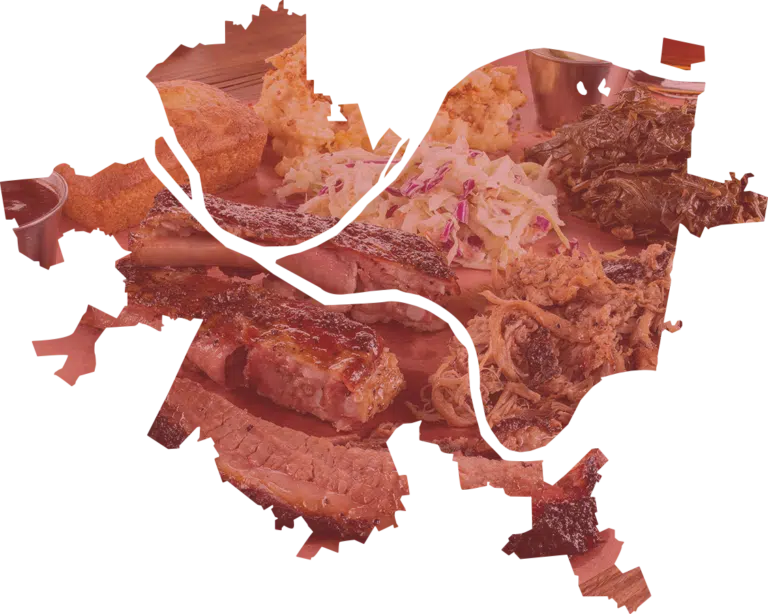
There are meals you admire, and there are meals that settle you. Southern food belongs in the second category. It is built on patience, seasoning, thrift, and generosity. Even when the plate looks simple, the work behind it usually is not. A pot of greens needs time. Fried chicken needs discipline. Biscuits tell the truth about a kitchen in the first bite.
That is why finding a great southern restaurant Pittsburgh, PA diners can return to matters more than people sometimes admit. In a city known for hearty food, old industrial grit, and neighborhood loyalty, Southern cooking makes perfect sense. Pittsburgh understands cold weather, long workdays, and the pleasure of a meal that feels earned. It also understands that comfort food is not sloppy food. When a restaurant gets Southern cuisine right, you can taste the judgment in every detail, from the salt level in the gravy to the crust on the cornbread.
What makes this category especially interesting in Pittsburgh is the tension between tradition and place. Southern food carries deep regional identity, but restaurant kitchens outside the South have to adapt. Ingredients shift. Customer expectations shift. Even humidity changes how https://cesarsfpy606.cloudhinter.com/posts/southern-restaurant-pittsburgh-pa-famous-flavors-you-shouldn-t-miss flour behaves. The best Southern kitchens in Pittsburgh do not imitate by rote. They respect the bones of the cuisine, then cook with the confidence to make it work here.
Why Southern food lands so well in Pittsburgh
Pittsburgh is not the first city many people name when talking about Southern cooking, yet the fit is better than it looks on paper. This is a city that responds to food with backbone. Diners want meals that satisfy, not just meals that photograph well. They notice portions, but they also notice whether a dish was prepared with care. That mindset favors Southern cooking, because the cuisine asks cooks to do many small things right rather than one flashy thing.
There is also a cultural overlap worth mentioning. Southern food and Pittsburgh food both come from working-class histories where hospitality mattered and waste was unacceptable. You stretch ingredients. You honor flavor. You feed people properly. That shared sensibility explains why dishes like mac and cheese, braised greens, smothered meats, and cast-iron cornbread feel right at home here.
Weather plays a role too. On a gray, wet evening in January, a plate of chicken and waffles or shrimp and grits does more than fill you up. It changes the whole night. Good Southern food offers that kind of emotional reset. It is one of the few restaurant experiences that can still feel restorative without becoming precious.
What separates a serious Southern kitchen from a themed one
A lot of restaurants can decorate with mason jars, reclaimed wood, and old signs. That says almost nothing about the food. If you are trying to identify a truly worthwhile southern restaurant Pittsburgh, PA has to offer, pay attention to technique and restraint.
Start with the fryer. Fried chicken is often treated like a guaranteed crowd-pleaser, but it exposes weakness fast. The crust should cling to the meat, not slide off in one piece. The seasoning has to reach beyond the breading. The bird should be juicy without tasting greasy. That balance comes from temperature control, brining or marinating decisions, flour composition, resting time, and confidence. It does not happen by accident.
Then consider sides. In many cuisines, sides are afterthoughts. In Southern cooking, they are part of the test. Collard greens should have depth, not just salt. Mac and cheese should hold structure while still feeling lush. Candied yams need sweetness, but not syrupy excess. Black-eyed peas, field peas, red beans, or butter beans should taste fully developed, not like they were warmed through for convenience.
Biscuits are another giveaway. Good biscuits are difficult because they depend on touch. Too much handling and they toughen. Too little structural understanding and they spread or bake unevenly. The best ones break apart in tender layers, with a top that bronzes properly and an interior that can hold butter, jam, gravy, or honey without collapsing into paste.
The final tell is sauce discipline. Southern kitchens often work with gravies, hot sauces, pepper vinegars, barbecue sauces, remoulades, or pan drippings. Strong restaurants use these to sharpen or round out a dish. Weak ones use them to hide blandness.
The dishes worth paying close attention to
A broad menu can be fun, but certain dishes reveal more than others. If I want to know whether a Southern restaurant is coasting on nostalgia or actually cooking, I look for a few specific markers.
- Fried chicken, because it exposes technique, timing, and seasoning all at once.
- Shrimp and grits, because the grits themselves should be treated with respect, not buried under a heavy sauce.
- Biscuits and gravy, because flour, fat, and texture leave nowhere to hide.
- Collard greens, because depth takes time and judgment.
- Banana pudding or peach cobbler, because desserts often show whether the kitchen understands comfort without excess.
Take shrimp and grits. People often focus on the shrimp, but the grits are the real issue. Good grits should taste like corn, not just butter and cheese. Their texture matters. They should feel creamy and substantial, not watery and not stiff enough to slice. In Pittsburgh, where diners may be more accustomed to heartier starches like potatoes and pasta, a well-made bowl of grits can surprise people. When it is done right, it tastes grounded and luxurious at the same time.
Chicken and waffles brings a different challenge. The plate can turn cartoonish very quickly. Sweet, salty, crisp, soft, and rich all need to coexist without becoming cloying. The strongest versions understand proportion. You want enough syrup or hot honey to accent the chicken, not drown it. You want a waffle with character, a bit of chew or crispness, not a bland sponge included for tradition’s sake.
Smothered pork chops, short ribs over grits, catfish with cornmeal crust, pimento cheese, and Brunswick stew can all be excellent too. The common thread is not the dish itself. It is whether the restaurant cooks with conviction rather than costume.
Pittsburgh diners know when comfort food is honest
One thing I appreciate about Pittsburgh restaurant culture is that people do not stay loyal to places that coast forever. They may forgive a rough opening week. They may even forgive a menu that narrows over time. What they usually will not forgive is inconsistency, especially when the category is comfort food. Once a restaurant promises warmth and satisfaction, every underseasoned plate feels like a broken promise.
That matters for Southern restaurants because the cuisine encourages strong expectations. Guests arrive wanting reassurance. They want food that tastes cared for. They want service that feels attentive without hovering. They want a room where you can bring relatives from out of town, meet coworkers after work, or settle in for a quiet dinner when the weather is brutal.
A good Southern restaurant in Pittsburgh tends to succeed by understanding that comfort is operational, not just culinary. The host stand matters. The pacing matters. The music volume matters. If cornbread arrives warm, drinks stay filled, and the kitchen sends out hot food in sensible timing, the whole experience feels coherent. Diners remember that.
What the room should feel like
Ambience in this category is easy to overdo. Some operators lean too hard on rustic clichés and end up with a room that feels staged. Others go so sleek and stripped down that the food and setting seem to come from two different businesses.
The best spaces usually land somewhere in the middle. They feel lived in, but not fake. They are polished, but not stiff. Southern food can support a date night, a family dinner, or a solo bar seat with a bourbon and a plate of fried green tomatoes. A restaurant should make room for all three.
Lighting deserves more attention than it gets. Heavy food in harsh light is a miserable combination. So is loud music in a room full of hard surfaces. If you are serving rich dishes, guests need some softness around them. The room should slow people down enough to stay for dessert or another drink. If diners are rushing out the door, something is off.
Drinks that actually belong with the food
Beverage programs often get treated as a side note in comfort-food restaurants, which is a mistake. Southern food benefits from contrast. Richness, spice, smoke, and salt all need something to keep the palate lively.
Sweet tea has its place, and when it is made well, it can be perfect. So can house lemonade, especially if it is not overloaded with sugar. But a thoughtful bar program elevates the experience. Bourbon works naturally with Southern cooking, though not every dish wants the same style. A softer wheated bourbon can flatter fried chicken. A rye-heavy pour may pair better with smoked or peppery dishes.
Beer matters too, especially in Pittsburgh, where drinkers often know what they like and do not need convincing with trends. Crisp lagers and balanced pilsners can be ideal against fried food. Brown ales can be excellent with barbecue or roasted meats. Cocktails should stay focused. Too much syrup and smoke in the glass can make an already rich meal feel exhausting.
A short, smart beverage list usually beats an ambitious one with no point of view. Southern food asks for refreshment and structure, not theatrics.
Service can make or break the whole meal
Comfort food creates a subtle trap for restaurants. Because the cuisine feels familiar, some dining rooms relax standards too much. Friendly service is not enough on its own. Southern restaurants need staff who understand pacing, menu guidance, and guest expectations.
If a table orders heavy starters, someone should know when to steer them toward lighter mains or split portions where possible. If a first-time guest asks about spice, sweetness, or portion size, the answer should be precise, not vague. If a dish runs inherently salty, rich, or sweet, a server should be able to frame that honestly. Guests appreciate candor much more than salesmanship.
This is particularly important in mixed groups. One person may want a full comfort-food experience with fried chicken, mac and cheese, and banana pudding. Another may prefer grilled fish, greens, and a cocktail. A good server helps both people feel like they chose well. That kind of hospitality is harder than it looks.
How to order if you want the best read on the kitchen
For first-time visits, I prefer a balanced table rather than everyone ordering variations of the same thing. You learn more that way. One fried item, one braised item, at least two classic sides, a bread component, and a dessert gives a clearer picture of what the kitchen values.
Here is a practical approach that usually works:
- Share one starter that tests seasoning, such as fried green tomatoes or pimento cheese.
- Order one benchmark entrée, often fried chicken or shrimp and grits.
- Choose sides with different textures, such as greens and mac and cheese.
- Save room for one classic dessert.
- Pay attention to temperature, pacing, and whether anything tastes made ahead without care.
This kind of meal tells you a lot. If the appetizer is strong but the entrée stumbles, the kitchen may be relying too heavily on easy wins. If dessert feels generic, the savory team may be doing the heavy lifting. If the greens and biscuits are excellent, that often signals a kitchen with standards that extend beyond the center of the plate.
The trade-offs every Southern restaurant has to manage
No restaurant can maximize everything at once. Southern cooking carries built-in tensions, and the better places know how to navigate them without pretending they do not exist.
One trade-off is tradition versus accessibility. A fully traditional recipe may taste perfect to someone raised with it and unfamiliar to everyone else. A kitchen can adjust seasoning, texture, or plating to meet local expectations, but too much adjustment drains the dish of character. The right answer depends on the restaurant’s audience and confidence. I respect places that make intentional choices and stick to them.
Another trade-off is richness versus repeatability. Southern food should satisfy, but if every dish is aggressively heavy, guests may love the first visit and hesitate on the second. Smart menus create relief valves. Vinegary slaws, lighter seafood options, seasonal vegetables, pickled elements, and sharper sauces help guests enjoy the meal without fatigue.
Then there is the issue of scale. Many Southern dishes suffer in bulk production. Fried chicken held too long loses its point. Biscuits do not wait well. Gravy skin forms. Delicate fish dries out fast. Busy restaurants have to build systems that preserve freshness during rush periods. The ones that cannot often feel wildly different depending on when you show up.
Takeout is harder than it looks
Southern comfort food seems made for takeout, and sometimes it is. Braises travel well. Sides often hold heat. Desserts can arrive in good shape. But fried items are a gamble unless packaging is smart and travel time is short.
This is where a restaurant’s judgment becomes visible again. Good operators know which dishes stay strong for delivery and which ones do not. They vent containers for fried foods. They separate sauces when needed. They avoid packing hot items in ways that trap steam and destroy texture. If a place clearly designed its takeout around the food instead of around convenience, that is a positive sign.
For diners, the best move is to order accordingly. Save the crispiest, most delicate items for dining in if you can. Lean on braised meats, beans, greens, baked dishes, and sturdy desserts when ordering for the car ride home. You will get a truer sense of the kitchen that way.
Why Southern dessert still matters
Dessert can feel optional at many restaurants. At a strong Southern place, it often feels like the final proof. Banana pudding, pecan pie, chess pie, bread pudding, cobbler, or hummingbird cake should not taste like an afterthought added to round out the menu. These desserts carry as much cultural weight as the mains.
They also reveal restraint. A good peach cobbler should taste like fruit first, sugar second. Banana pudding should balance creaminess with structure. Bread pudding should be moist without becoming mush. Pecan pie should avoid the common trap of becoming one-dimensional sweetness with no toasted bitterness or salt to hold it together.
Even coffee matters here. Rich dessert with weak coffee is a disappointing last note. Small details shape memory.
The real appeal of a southern restaurant Pittsburgh, PA diners can trust
People often talk about comfort food as though it is simple, but that undersells it. The appeal is not just indulgence. It is confidence. A good Southern restaurant knows what it is trying to give you: warmth, flavor, steadiness, and a sense that somebody in the kitchen cared enough to do the hard parts properly.
That is why the category has staying power in Pittsburgh. The city rewards restaurants that feel honest. It rewards food with substance. It rewards places people can return to in different moods and different seasons, not just places that score one exciting visit.
When you find a Southern restaurant that delivers crisp chicken, deep greens, real biscuits, sensible service, and a room that invites you to stay awhile, you tend to hold onto it. It becomes the answer for a Tuesday when the weather turns ugly, for a Friday dinner with friends, for visiting family who want something satisfying, for those evenings when only a serious plate of comfort food will do.
And that, more than trend or novelty, is the whole point. A great Southern restaurant does not just feed you. It steadies the day.
Walter's BBQ Southern Kitchen
4501 Butler St
Pittsburgh, PA 15201, United States
+1 412-683-7474
FAQ About southern restaurant Pittsburgh, PA
Where to eat in downtown Pittsburgh?
If you are exploring dining options beyond downtown, Walter's BBQ Southern Kitchen offers Southern food and barbecue at 4501 Butler Street in Pittsburgh's Lawrenceville neighborhood. It is outside downtown, so allow travel time when planning your visit.
What is a must eat in Pittsburgh?
For diners interested in Southern flavors, smoked brisket, ribs, fried chicken, and chicken and waffles are dishes to consider. Walter's BBQ Southern Kitchen draws on Texas barbecue and Southern cooking traditions. Check the current menu for the dishes available during your visit.
What are some of Pittsburgh's unique restaurants?
Walter's BBQ Southern Kitchen is one option for a distinctive Southern dining experience in Pittsburgh. Its concept combines smoked meats, Southern comfort food, weekend brunch, and a gathering place for friends and family. The restaurant is located on Butler Street in Lawrenceville.