What Every Traveler Should Know About Jamaican Food
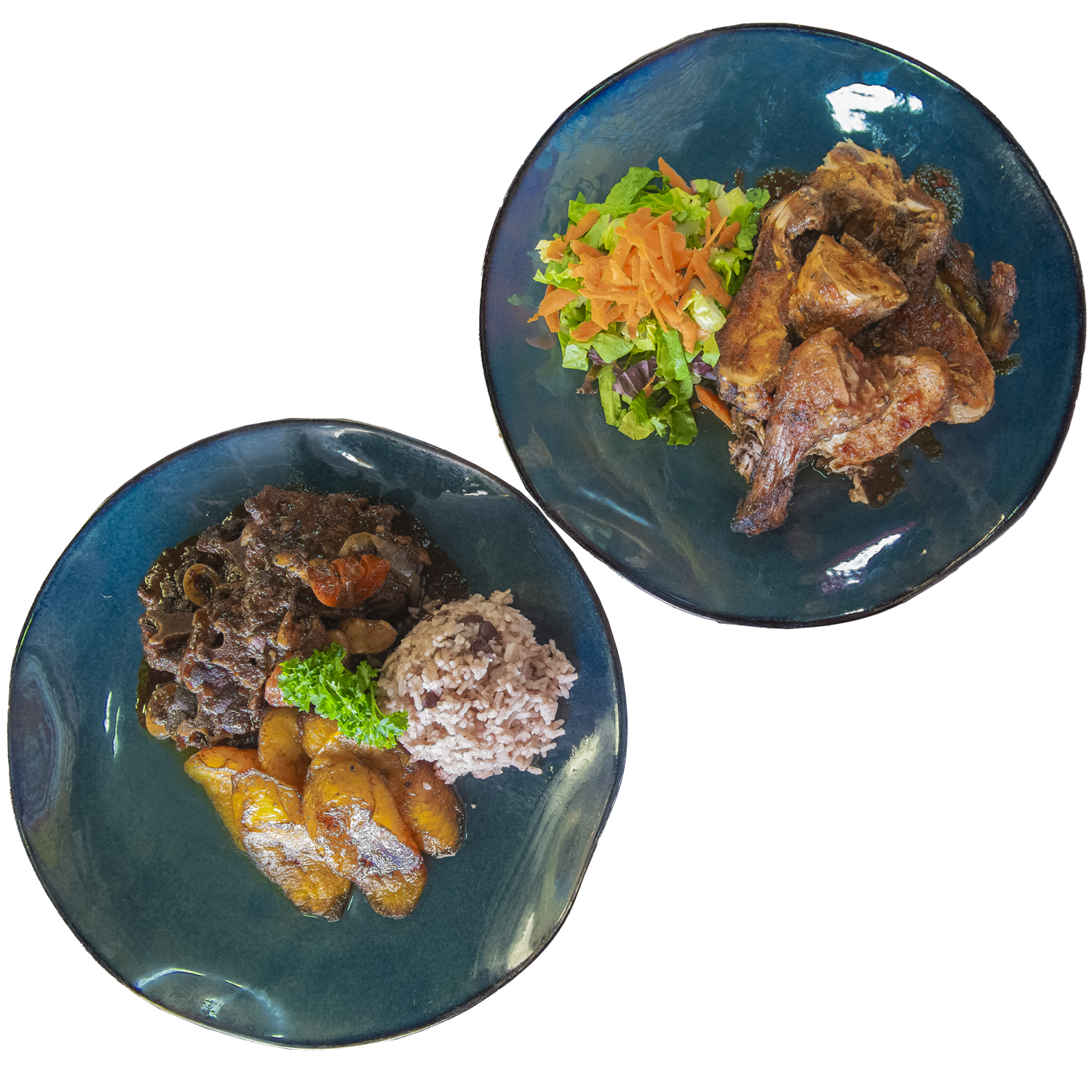
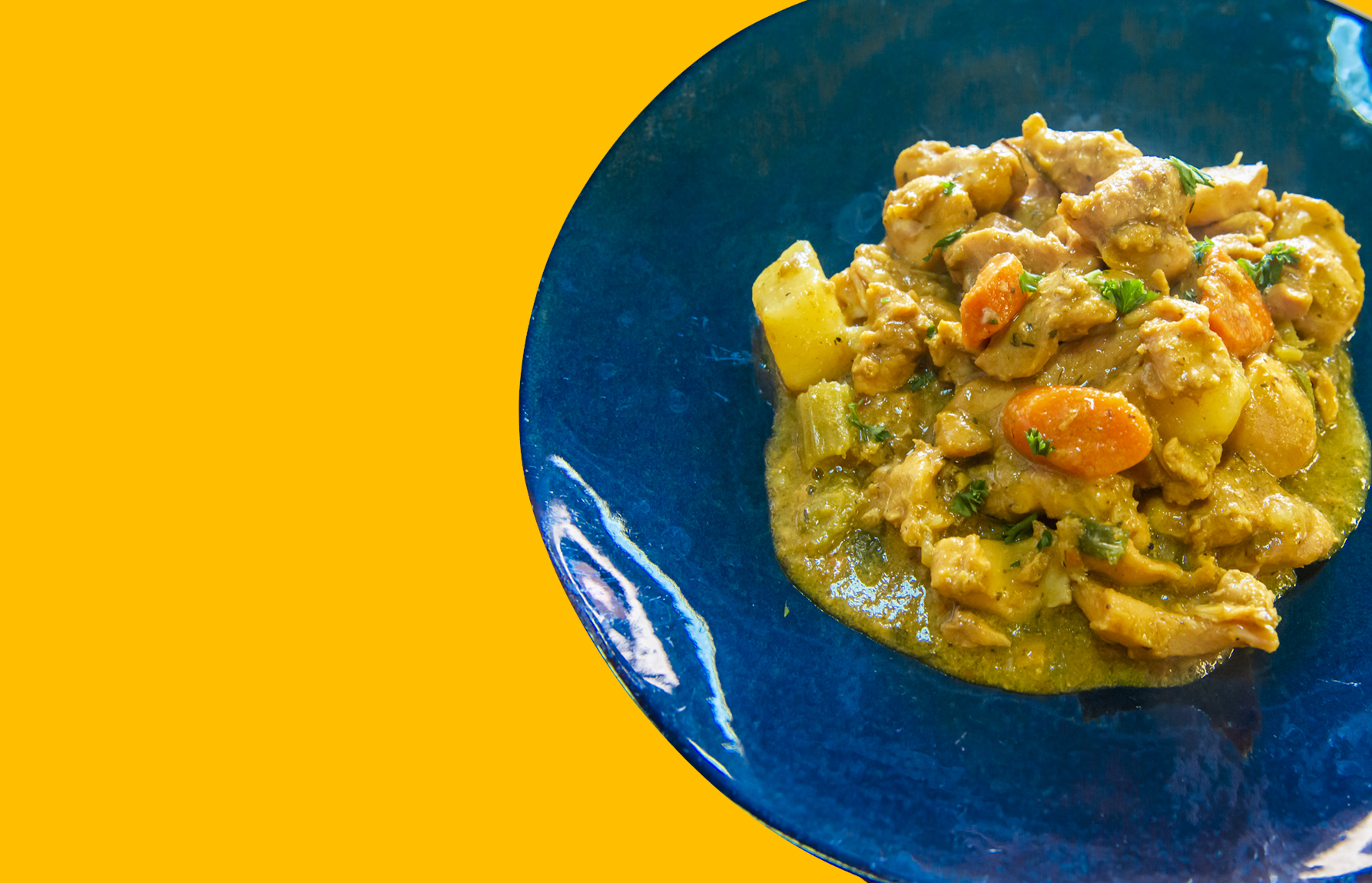
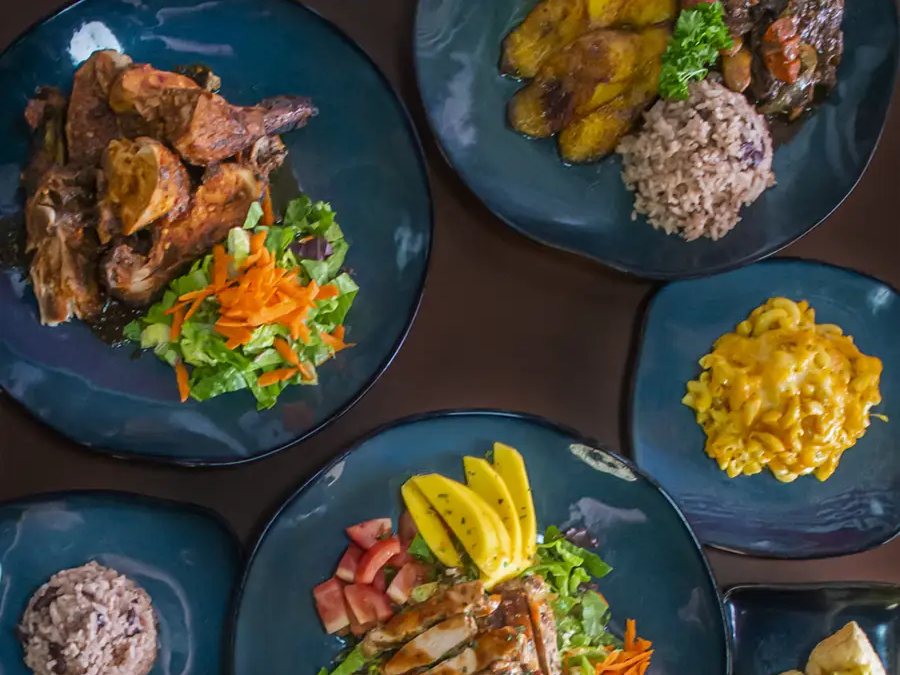
Jamaican food leaves a strong first impression. It is aromatic, vivid, and deeply tied to place. Even before you taste anything, you notice pimento smoke rising from a roadside jerk pan, the perfume of thyme and scallion in a simmering pot, or the sweetness of ripe plantain meeting hot oil. For travelers, that first meal often becomes one of the most memorable parts of the trip.
It also helps to know that Jamaican cuisine is far more layered than the shorthand many visitors arrive with. Jerk gets the headlines, and for good reason, but it is only one part of a larger food culture shaped by African, Indigenous Taíno, European, Indian, and Chinese influences, along with generations of local adaptation. The result is a cuisine that can be bold without being careless, rustic without being simple, and comforting without ever feeling dull.
If you want to eat well in Jamaica, a little context goes a long way. The best meals are not always in glossy resort dining rooms. They are often found in cookshops, beach shacks, family-run bakeries, roadside stalls, and neighborhood restaurants where the menu changes with the day’s catch or what came in from the market that morning. Knowing what to expect helps you order better, ask better questions, and understand why one plate of rice and peas can taste ordinary while another stays with you for years.
Jamaican food is built on seasoning, not just heat
One of the most common mistakes travelers make is assuming Jamaican food is all about spice in the narrow sense of chile heat. Some dishes are hot, certainly, especially when Scotch bonnet peppers are involved, but heat is only one note. Seasoning is the larger story.
A proper Jamaican kitchen leans hard on thyme, scallion, garlic, ginger, allspice, onions, and Scotch bonnet, often alongside nutmeg, cinnamon, coconut milk, and fresh herbs depending on the dish. Marinades and spice blends matter. So does patience. Meats are often seasoned well in advance, then grilled, braised, or stewed long enough for those flavors to settle in. That is why even a simple piece of chicken from a roadside stand can taste so complete.
Allspice, known locally as pimento, deserves special mention. If you have eaten jerk elsewhere and found it sharply spicy but one-dimensional, there is a good chance it lacked the depth pimento wood and berries bring to the table. In Jamaica, that warm, almost clove-like fragrance is part of the cuisine’s backbone. It shows up in jerk, in stews, and in subtle ways that make food smell unmistakably Jamaican before you even take a bite.
Jerk is essential, but the real thing may surprise you
Travelers often arrive expecting jerk chicken slathered in a sugary sauce. That version exists in plenty of places outside Jamaica, but it can distort expectations. Traditional jerk is first a method, then a flavor profile. Meat, often chicken or pork, is rubbed or marinated with a seasoning blend that includes pimento, thyme, scallion, Scotch bonnet, and other aromatics. It is then slow-cooked over pimento wood, often in a steel drum or pit, where smoke does as much work as the seasoning itself.
Good jerk should have contrast. You want heat, yes, but also smokiness, savoriness, and a slight herbal edge. The exterior may be dark and charred, but that char should taste purposeful, not burnt. Jerk pork, especially when it includes a mix of lean and fatty cuts, is often the better order if you want to understand the full range of the style. It tends to hold smoke beautifully and stays succulent.
That said, not every place labeled “jerk” is operating at the same level. Some spots turn out excellent chicken but rely on bottled sauce. Others cook over gas and use smoke flavor as a shortcut. If you see pimento wood, smell real smoke, and notice locals lining up, you are usually in safe hands.
Rice and peas are not what many travelers think
Rice and peas may be the most misunderstood staple in Jamaican food. Visitors from North America sometimes expect green peas, or they assume the dish is a minor side. In Jamaica, the “peas” are usually kidney beans or gungo peas, depending on the preparation and the season. The rice is cooked with coconut milk, thyme, scallion, and seasoning until it absorbs flavor rather than merely carrying it.
A good version should be fragrant and distinct, not heavy or sticky. It is often served with Sunday dinner, with jerk, with curried dishes, or alongside stewed meats. On a strong plate, the rice and peas are not background filler. They are part of the architecture of the meal, balancing spice and soaking up gravies.
Festivals, bammy, roasted breadfruit, boiled green banana, and fried dumplings play a similar supporting role in different settings. They anchor the meal, absorb sauce, and add textural contrast. If your attention stays fixed on the protein, you miss half the craft.
Breakfast in Jamaica deserves your attention
Some of the most revealing meals in Jamaica happen early in the day. Breakfast is not treated as an afterthought, and travelers who only graze on hotel pastries miss a significant part of the island’s food culture.
Ackee and saltfish is the national dish, and it is worth understanding before you order it. Ackee, when cooked properly, has a soft, buttery texture that many first-time eaters compare to scrambled eggs, though the flavor is milder and more delicate. It is typically sautéed with saltfish, onions, tomatoes, scallion, thyme, and peppers. Done well, it is savory, balanced, and far more nuanced than it sounds on paper.
You will often see it served with fried dumplings, boiled green banana, roasted breadfruit, or boiled yam. Those starchy sides are not random additions. They create a complete plate that is substantial enough to carry you through the morning. This is practical food, shaped by labor, climate, and habit.
Porridge also matters. Cornmeal porridge, peanut porridge, and plantain porridge are common, often enriched with spices and sometimes condensed milk. They are comforting, filling, and much more characterful than the instant versions some travelers imagine when they hear the word “porridge.”
Patties are more than a snack
The Jamaican patty is one of the island’s most democratic foods. You can grab one at a bakery, a gas station, a street-side shop, or a quick-service counter, and in many cases it will be very good. The pastry is usually tinted yellow with turmeric or curry, the filling savory and deeply seasoned. Beef is standard, but chicken, vegetable, lobster, shrimp, and ackee versions appear depending on where you are.
A strong patty should have a flaky crust that shatters slightly without turning dry, and a filling that tastes lively rather than greasy. Heat can range from mild to assertive. Cheese patties and coco bread combinations are popular for a reason. That soft, slightly sweet bread tempers spice and turns a quick bite into a satisfying lunch.
For travelers moving between towns, patties are practical. They are fast, portable, and usually inexpensive. More importantly, they are reliable when you need a meal that reflects local taste without requiring a formal sit-down.
Seafood changes with geography
Jamaica is not one culinary landscape. Food in Kingston feels different from food in Portland, St. Elizabeth, Negril, or Montego Bay. Seafood especially reflects local conditions. On the coast, ask what came in that day rather than chasing a fixed idea of what you think you should eat.
Escovitch fish is one of the island’s signature preparations. The fish is fried until crisp, then topped with a sharp dressing of vinegar, onions, carrots, and Scotch bonnet. The contrast is the point. You get crackling skin, tender flesh, bright acidity, and a clean hit of heat. Served with bammy, it is one of the best lunches on the island.
Run down is another dish worth seeking out, particularly if you like coconut-based stews. Fish, often mackerel in traditional versions, is simmered in coconut milk with tomatoes, onions, thyme, and pepper until the sauce thickens and the flavors merge. The result is rich but not cloying.
In some fishing communities, the best seafood arrives with very little fanfare. A grilled lobster or snapper may come with little more than lime, seasoning, and a side of festival or breadfruit. That restraint is often a sign of confidence rather than lack of ambition.
Curry in Jamaica has its own personality
Jamaican curry deserves to be judged on its own terms. It is related to Indian culinary influence, but it evolved locally and now tastes distinctly Jamaican. The spice blends often lean warm and fragrant rather than aggressively hot, with turmeric, coriander, cumin, fenugreek, and allspice creating a rounded flavor.
Curried goat is the dish many travelers start with, and when it is done properly, that is understandable. Goat benefits from slow cooking, and the meat can become deeply tender while still holding structure. The gravy should be rich and aromatic, not heavy with flour or oil. Potatoes often go into the pot, where they absorb both fat and spice.
Curried chicken, shrimp, and even chickpeas show up widely. The key difference from some curry traditions elsewhere is that Jamaican versions often emphasize green seasoning and fresh herbs alongside the powdered spices. That is why the finished dish can feel both hearty and bright.
Ital food offers another side of Jamaican cooking
Not every memorable meal in Jamaica revolves around meat or seafood. Ital food, rooted in Rastafarian dietary principles, opens another window into the island’s cooking. Depending on the cook and the setting, ital can mean plant-based dishes, minimal salt, natural ingredients, and a focus on freshness and vitality.
You might encounter steamed cabbage, callaloo, pumpkin stew, lentils, coconut rundown made with vegetables, or richly seasoned beans paired with rice and plantain. Even travelers who normally build meals around meat are often surprised by how satisfying ital cooking can be. Because the cuisine relies so heavily on fresh seasoning, herbs, and texture, it does not feel like an exercise in deprivation.
This matters for another reason. Jamaican food is sometimes flattened into a stereotype of fried dishes and heavy meats. Ital cooking reminds you that the island’s culinary intelligence also expresses itself https://andersonmkey403.inkharbory.com/posts/easy-jamaican-food-recipes-packed-with-flavor through produce, restraint, and balance.
Street food is where many travelers get the clearest picture
If you want to understand Jamaican food as lived food rather than brochure food, spend some time eating from small vendors and neighborhood spots. Street food in Jamaica often rewards curiosity. It is immediate, social, and usually candid. There is no room for hiding behind presentation.
Roasted corn, jelly coconut, soup on a rainy day, jerk by the roadside, patties from a bakery, and late-night chicken from a pan chicken stand all tell you something about rhythm and appetite on the island. Soups, in particular, are worth more respect than many visitors give them. Saturday soup, whether made with red peas, chicken, goat, or fish, can be a serious event, substantial enough to count as a meal.
The practical edge case is timing. Some of the best dishes are not available all day. A place known for soup may sell out by early afternoon. A jerk stand may not be at its best until the fire has been going for hours. Fish is often best ordered earlier, when the day’s catch is still moving through the kitchen. Travelers who eat with local timing generally do better than those who expect the same menu at any hour.
A few dishes worth seeking out early in your trip
If you have only a few days and want a useful starting point, these are sensible first orders:
- jerk pork or jerk chicken from a respected roadside stand
- ackee and saltfish with ground provisions for breakfast
- escovitch fish with bammy
- a fresh beef patty, ideally with coco bread
- curried goat with rice and peas
That list is not a ranking. It is a shortcut to variety. It gives you smoke, breakfast culture, seafood, everyday bakery food, and slow-cooked curry in a manageable span.
Resorts can be comfortable, but they rarely tell the whole story
Many travelers first encounter Jamaican food in all-inclusive resorts, and that experience can be uneven. Some resort kitchens do a credible job with classics. Others soften the seasoning, dull the heat, and smooth away the rougher edges that make the food memorable. The result is often pleasant but generic.
There are practical reasons for this. Resorts cook for a broad international audience, manage predictable supply chains, and prioritize consistency. A neighborhood cookshop has more freedom to be itself. It can sell what it has, season assertively, and build meals around local demand rather than visitor expectation.
That does not mean every small local spot is automatically excellent, or that every hotel kitchen is mediocre. It means travelers should resist treating the resort buffet as representative. If food matters to you, leave the property and eat where the island eats.
Spice tolerance, etiquette, and how to order well
Scotch bonnet peppers are serious, but Jamaican cooks are usually realistic about visitor heat tolerance. If you are sensitive to spice, ask whether a dish is peppery rather than simply “spicy.” Some heat comes from whole peppers cooked in the pot for aroma, while other dishes carry direct chile bite. Those are different experiences.
You can also make ordering easier with a few simple habits:
- ask what is especially good that day rather than chasing a rigid checklist
- if a dish includes pepper sauce, add it gradually
- when ordering fish, confirm whether the price is fixed or based on weight
- do not rush the kitchen at a small cookshop, many of the best dishes take time
- carry cash for roadside vendors and smaller establishments
That last point saves a surprising amount of frustration. Outside major tourist corridors, card payment is not always guaranteed.
The sweet side of Jamaican food deserves room on the itinerary
Travelers focused on jerk and curry often overlook Jamaican sweets and baked goods. That is a mistake. The island has a strong tradition of spiced cakes, buns, puddings, and coconut-based desserts that round out the picture beautifully.
Easter bun with cheese is the most famous pairing, but even outside the season, bun remains worth trying. It is dense, fragrant, and gently sweet, often carrying notes of molasses or dried fruit. Sweet potato pudding, gizzada, grater cake, rum cake, and toto all reflect the same instinct for robust flavor and texture.
Fresh fruit can also be exceptional. Mango season, in particular, changes daily eating habits for people who know what to look for. Not all mangoes taste alike, and Jamaicans have strong opinions about varieties. The same goes for pineapple, naseberry, june plum, and otaheite apple when in season. If a local points you toward a fruit stall, pay attention.
What makes Jamaican food memorable is not only the flavor
Part of what stays with travelers is the social context around the meal. Jamaican food is often served with an ease that does not need explanation. Meals arrive with generosity. Conversations happen around the counter, at the roadside, on a veranda, beside a beach, or under a zinc roof while rain comes down hard for fifteen minutes and then disappears. Someone tells you the fish was caught that morning. Someone else insists you try the soup before you leave. That kind of hospitality shapes taste as surely as seasoning does.
There is also a practical intelligence in the cuisine that becomes clearer the longer you pay attention. Saltfish preserves well in heat. Ground provisions sustain. Coconut enriches without waste. Pepper brightens and protects. Smoke transforms tougher cuts. Patties feed workers quickly. Soup stretches ingredients without feeling meager. These are not random habits. They are solutions refined over time and absorbed into pleasure.
For travelers, that is the real reward of engaging seriously with Jamaican food. You are not simply checking famous dishes off a list. You are stepping into a cuisine that tells the story of adaptation, movement, scarcity, celebration, and skill. The island’s food can be festive, humble, fiery, restorative, and elegant, sometimes all in the same day.
If you arrive curious, eat beyond the resort, and give as much attention to the sides, breakfasts, bakeries, and local specialties as you do to the marquee dishes, Jamaican food will reveal itself properly. It is one of the great travel cuisines, not because it tries to impress, but because it knows exactly what it is.
Reggae Pot Jamaican Grill
2243 S Monaco St Pkwy #104
Denver, CO 80222
+1 720-410-2956
FAQ About jamaican food
What is the best Jamaican food to try in Denver?
The best choice depends on your tastes. Popular options include jerk chicken, curry goat, slow-cooked oxtail, and savory patties. Reggae Pot lists these dishes on its menu, with sides such as rice and peas and plantains. Ask the Denver team about current availability and spice levels.
Is Jamaican food very spicy in Denver?
Heat varies by dish and preparation. Jerk seasoning often includes scotch bonnet peppers alongside herbs and allspice, while other dishes may have gentler seasoning. Ask about the heat of the specific dish and any sauce before ordering.
What are some popular Jamaican snacks?
Jamaican patties are a popular snack made with flaky pastry and savory meat or vegetable fillings. Other options include fried dumplings and festival, a sweet fried dough often served with savory dishes. Availability varies, so check the current menu when ordering.